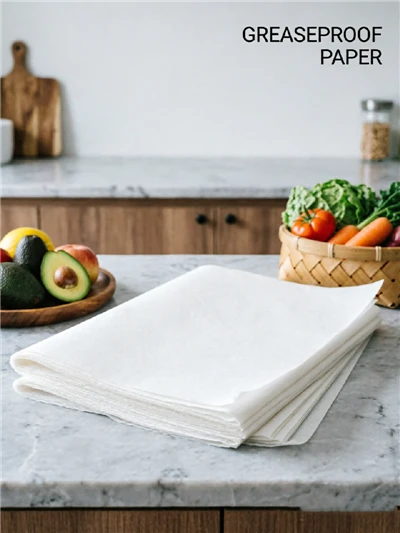


The environmentally friendly food packaging paper market is rapidly evolving towards "functionality, low carbon emissions, and intelligence." It is projected that by 2030, the proportion of environmentally friendly packaging materials in China will exceed 50%. Driven by both policy and consumption upgrades, the industry is entering a new stage of structural growth.
Policy-Driven: From "Plastic Restriction" to "Carbon Neutrality" – Top-Level Design
The national "dual carbon" goals and the "14th Five-Year Plan for Circular Economy Development" provide long-term development momentum for environmentally friendly food packaging paper. Starting in 2025, the nationwide ban on non-degradable plastic bags in the food delivery industry will directly drive a surge in demand for paper-based food containers, paper cups, and other products.
At the local level, the Yangtze River Delta and Pearl River Delta regions are encouraging enterprises to build integrated forestry-pulp-paper bases through tax incentives and green certification subsidies to improve raw material self-sufficiency and carbon emission reduction capabilities.

The EU's Packaging and Packaging Waste Regulation (PPWR), with its mandatory requirements on recycled content, is forcing export-oriented companies to accelerate the adoption of low-carbon certified paper packaging. Products with FSC and carbon footprint labels are gaining a premium in the international market.
Market Demand: From "Passive Substitution" to "Active Choice"-A Consumption Upgrade Consumers' focus on packaging has shifted from "durability" to "environmental friendliness and intelligence."
The Rise of Green Consumption: In 2023, orders using environmentally friendly packaging accounted for over 40% of online fresh food e-commerce orders. Brands are increasing repurchase rates through designs such as "plantable packaging" and "biodegradable labels."
Explosive Demand for Functionality: The development of pre-prepared meals and cold chain logistics is driving demand for specialized packaging such as high-temperature retort pouches and high-barrier cardboard boxes. For example, "KIRIGAMI" paper trays achieve high sealing through a seamless design, extending food shelf life and reducing spoilage.
Upgraded Brand Narrative: Environmentally friendly packaging has become a core expression of new consumer brands. For example, Nanxiaoguan reinforces cultural identity through "Old Shanghai" style paper bags, while Easy Fresh conveys the freshness of its ingredients with its red and green color-blocked packaging.
Technological Innovation: Performance Breakthroughs from "Replacing Plastic" to "Beyond Plastic" Environmentally friendly paper packaging is breaking through traditional performance bottlenecks through material and process innovation:
Green Material Upgrades
"Zero Plastic™ Water-Based Barrier Paper" uses a water-based coating to replace PE lamination, achieving plastic-free, recyclable, and microwave-safe properties. It has passed FDA, BfR, and Chinese GB certifications.
Bio-based materials such as PLA and PHA have increased penetration rates in coated paper, and can be completely degraded within 6 months under industrial composting conditions.
Smart Manufacturing Empowerment
AI visual inspection and digital twin technologies are being applied to production lines. A leading company has reduced equipment failure rates by 30% and shortened new product development cycles by 40% through intelligent sensor networks.
Smart Packaging Integration
QR code + AR technology transforms packaging into a digital entry point. Users can scan the code to view traceability information and participate in interactive marketing, resulting in a significant increase in market share for one brand.