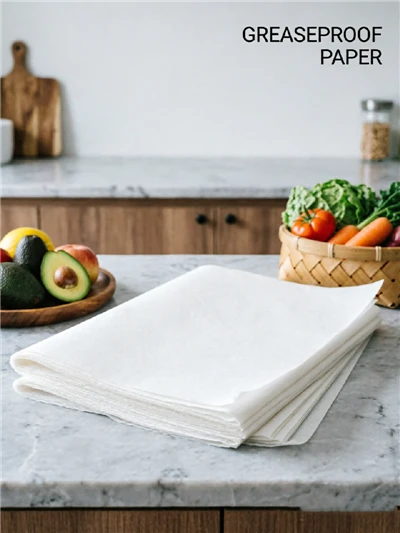

The ideal storage conditions for cultural paper are a temperature of 14-24℃ and a relative humidity of 45%-60%. It needs to be protected from light, moisture, and insects, and the environment should be kept clean and stable.
Key storage points are as follows:
Temperature and Humidity Control
The temperature should be stable within the range of 14-24℃, with a diurnal fluctuation not exceeding ±2℃.
Relative humidity should be maintained at 45%-60%, avoiding levels above 70% to prevent mold growth; excessively low humidity will cause the paper to become brittle.

Light Protection
Ultraviolet light can trigger photochemical reactions in paper, leading to yellowing, brittleness, and fading of the ink.
The light intensity of the storage environment should be less than 50 lx, with an annual cumulative illuminance not exceeding 120,000 lx·h. It is recommended to use UV-free lamps or install UV-protective film.
Insect and Mold Prevention Measures
Mold grows rapidly in humidity levels above 70%, secreting organic acids that accelerate paper acidification.
Insect repellents such as camphor can be placed regularly, and insect netting should be installed. Food and potted plants must not be brought into the storage space.
Physical Storage Methods
Use a three-layer sealed system of cabinets, boxes, and containers for storage. Bundles and rolls should be loosely and tightly secured to avoid folding or compression.
The height of paper stacks should not exceed 1.2 meters, and a 5cm distance should be maintained from the wall to facilitate ventilation.
Chemical Environmental Safety
Avoid contact with acidic or alkaline substances and air pollutants containing sulfur and nitrogen (such as SO₂ and NOₓ) to prevent paper acidification and degradation.
Using PE self-sealing bags effectively blocks moisture and contamination, superior to easily breakable PP bags.
pH Monitoring and Deacidification Treatment
When the paper's pH value is below 5.6, professional deacidification treatment should be considered to slow down deterioration.