

Choosing the right packaging paper requires comprehensive consideration of paper type, key performance indicators, and specific application scenarios to achieve a balance between protection, aesthetics, and cost-effectiveness.
In practical applications, different types of packaging paper, due to differences in raw materials, processing technology, and physical properties, are suitable for different product needs. The following is a systematic overview of common packaging paper types, their core properties, and typical application scenarios:
Comparison of Common Packaging Paper Types and Characteristics
Kraft Paper
Characteristics: Tough texture, strong tear resistance, folding and abrasion resistant, with good load-bearing and moisture-proof capabilities.
Application Scenarios: Express packaging, industrial product transportation, food outer bags (such as bread bags), tea outer packaging, etc.
Advantages: Environmentally friendly and recyclable, low cost, suitable for high-intensity transportation needs.
White Cardboard
Characteristics: Smooth, white surface; high hardness; excellent printability; suitable for multi-color, high-quality printing.
Applications: High-end gift boxes, cosmetic packaging, hang tags, card boxes, etc.
Advantages: Enhances brand image; strong visual texture.
Coated Paper (Painted Printing Paper)
Characteristics: High gloss; high color fidelity; vibrant and clear printing results.
Applications: Shopping bags, labels, brochures, premium packaging covers, etc.
Caution: Not resistant to moisture; avoid use in high-humidity environments.
Corrugated Board
Characteristics: Made of a linerboard and a corrugated core paper bonded together; lightweight yet with excellent compression and shock resistance.
Suitable Scenarios: E-commerce logistics boxes, appliance outer packaging, fragile goods transport boxes, etc.
Classification: Three-layer, five-layer, and seven-layer structures; the more layers, the stronger the protection.
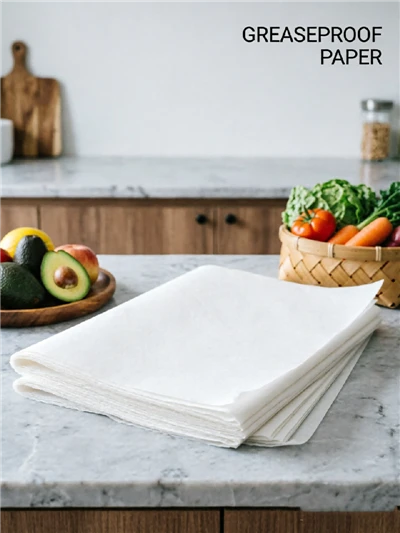
Cotton Paper / Food-Grade Oil-Resistant Paper:
Characteristics: Good breathability, soft texture, non-toxic and harmless; some have oil-resistant properties.
Suitable Scenarios: Inner packaging for Pu-erh tea, baking food separator paper, pastry liners, etc.
Advantages: Facilitates the natural aging of tea and ensures food safety.
Environmentally Friendly Recycled Paper / Stone-Based Paper:
Characteristics: Biodegradable, waterproof and tear-resistant; some have passed FDA and other food contact certifications.
Suitable Scenarios: Green brand packaging, short-term food contact packaging, environmentally friendly marketing campaign paper.