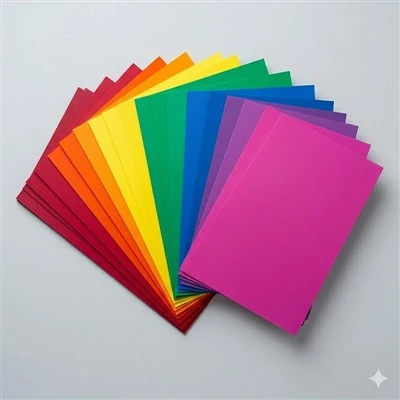


The Chinese cultural paper market is expected to maintain steady growth in the coming years, with an average annual growth rate of 6%-8% projected from 2026 to 2031, potentially exceeding 250 billion yuan by 2031.
Despite the continued pressure from digitalization on traditional office paper demand, the rigid support from educational publishing, policy-driven green transformation, and high growth in cultural and creative products and specialty papers are propelling the industry from a period of "scale expansion" to one of "quality improvement."
Core Growth Drivers Analysis:
Steady Demand from Educational Publishing Provides a Solid Foundation: Textbook and supplementary material paper remains the market's "ballast." With continued growth in national education expenditure in 2025, high-quality eye-protecting paper (such as low-brightness, high-strength paper) is accelerating its replacement of traditional offset paper, driving up the value per ton. The demand for educational paper is expected to remain above 4 million tons, supporting a stable market.

Environmental protection and green consumption trends are rapidly penetrating the market. Driven by the "dual carbon" targets and the "Standard Conditions for the Pulp and Paper Industry," the market share of environmentally friendly products such as recycled paper, bamboo pulp paper, and bio-based paper is rapidly increasing. Data shows that environmentally friendly cultural paper accounted for 42.3% of the market in 2025, and is expected to exceed 50% by 2030. Consumers are willing to pay a 5%-15% premium for environmental attributes, forming a sustainable growth driver.
Specialty paper and cultural and creative scenarios are experiencing explosive growth. High-value-added categories such as digital printing, personalized customization, art paper, and intangible cultural heritage handmade paper are showing significant growth. The annual growth rate of digital printing paper has reached 18%, and emerging applications such as 3D printing paper and smart packaging paper have increased from less than 200 million yuan to 1.2 billion yuan. The cultural and creative industry-driven sub-markets such as journal paper, customized invitations, and art paper have seen annual growth rates exceeding 30%.
Digitalization and intelligent manufacturing improve efficiency. Leading enterprises have achieved a digital penetration rate of 42.3%, with digital factories increasing production efficiency by 35% and reducing energy consumption by 22%. The C2M (Consumer-to-Manufacturer) model is driving the rise of personalized customized paper products, meeting market demands for small-batch, fast delivery and becoming a new growth engine.
Forecast for the next five years:
Market size: Expected to exceed 250 billion yuan by 2031, with a compound annual growth rate of 6%-8%.
Product structure: The proportion of high-end paper will increase from the current 35% to over 45%, with specialty paper and functional paper becoming the main growth engines.
Industry concentration: The CR10 (market share of the top ten companies) is expected to increase to over 70%, with small and medium-sized paper enterprises lacking environmental protection and technological upgrading capabilities gradually exiting the market.
Export potential: With improved product quality, the export volume of cultural paper is expected to reach 1.8 million tons, with the export value-added rate increasing to over 35%. Overall, the cultural paper industry is entering a new stage of "structural growth," where technological innovation, green development, and high-end products will become the core competitive barriers for enterprises.