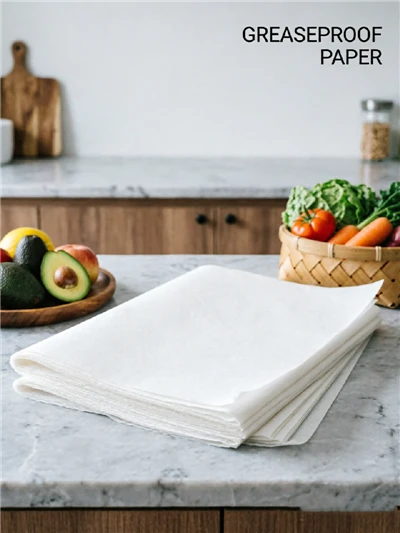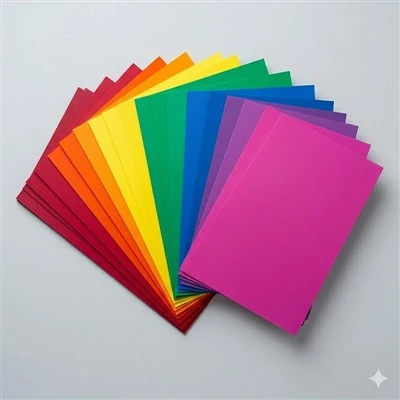


Besides copy paper, coated paper, and silver-threaded Xuan paper, there are also thermal paper, inkjet paper, and carbon paper, which are suitable for specific printing needs. Choosing the right paper based on the output device and usage scenario can significantly improve efficiency and product quality.
1. Thermal Paper: Dedicated to Receipt and Label Printing
Thermal paper uses heat to develop colors, requiring no ink for printing. It is widely used in POS machines, ATMs, boarding passes, and logistics labels.
Suitable Scenarios: Supermarket receipts, express delivery slips, medical reports, and other immediate output scenarios.
Advantages: Fast printing speed, low equipment maintenance costs.
Caution: Prolonged exposure to high temperatures or sunlight can cause fading; not suitable for long-term archiving.
2. Inkjet Paper: Preferred for High-Precision Image Output
Designed specifically for inkjet printers, it improves ink absorption and color performance, suitable for high-quality output such as photos and design drafts.
Type Subdivisions:
High-Gloss Photo Paper: Saturated colors, strong reflectivity, suitable for portrait photography. Matte Photo Paper: Glare-free, suitable for artistic photography and reading-related text and images.
Recommended Basis Weight: 180–260 g/m², ensuring paper stiffness and durability.
3. Carbon Paper: Multi-part Document Printing Solution
Achieves multi-layer copying through pressure, generating copies without printing. Commonly used for invoices, receipts, orders, etc.
Usage: Sandwiched between multiple sheets of paper, transferred via dot matrix printer or handwritten pressure.
Advantages: Generates multiple records in one operation, suitable for traditional office workflows.